

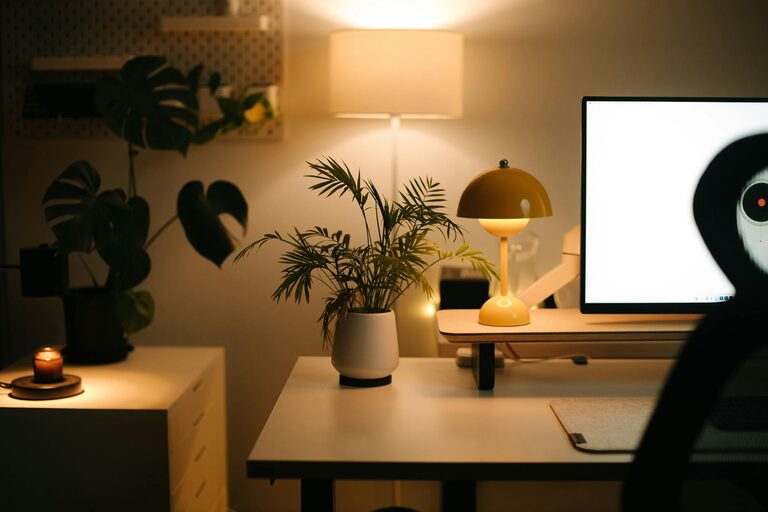
Creating a cozy and productive home office space is essential for anyone working or studying from home. The right environment can help you stay focused, reduce stress, and even boost creativity. Whether you have a dedicated room or just a small corner, with some thoughtful planning, you can transform your space into a comfortable and efficient workspace.
Choose the Right Location
The first step in designing your home office is selecting the best location. Ideally, choose a quiet area with plenty of natural light. Near a window can help improve your mood and reduce eye strain. If having a separate room isn’t possible, a tucked-away corner in your living room or bedroom can work well. Just consider these points:
– Avoid high-traffic or noisy areas.
– Ensure good ventilation.
– Check for enough space to accommodate your desk, chair, and storage.
Invest in Comfortable and Functional Furniture
Comfort is key when spending hours working or studying. Here are furniture essentials to consider:
Ergonomic Chair
An ergonomic chair supports your back and encourages good posture, reducing discomfort and fatigue. Look for adjustable height, lumbar support, and comfortable cushioning.
Desk with Adequate Surface Area
Choose a desk that fits your needs—whether it’s for a laptop, desktop, or both—and has enough surface area for writing or additional accessories. Consider adjustable or standing desks if you like to change positions throughout the day.
Storage Solutions
Organize your supplies with shelves, drawers, or filing cabinets to keep clutter off your desk. Neatly organized spaces help maintain focus and reduce distractions.
Optimize Lighting
Good lighting is essential for productivity and comfort.
– Use a combination of natural and artificial lighting.
– Position your desk perpendicular to windows to avoid glare.
– Add a desk lamp with adjustable brightness for focused tasks.
– Consider warm light bulbs to create a cozy atmosphere.
Personalize Your Space
Making your office comfortable and inviting goes beyond furniture. Personal touches can make a big difference:
– Add plants to bring freshness and improve air quality.
– Use soft rugs or cushions to add warmth.
– Hang inspiring artwork or photos that motivate you.
– Choose colors that relax and energize you, such as soft blues, greens, or neutrals.
Minimize Distractions
Maintaining focus can be challenging at home. Try these tips to minimize distractions:
– Use noise-canceling headphones or play background music if needed.
– Set clear boundaries with family or roommates about your working hours.
– Keep your phone on silent or in another room during focused periods.
Keep Technology and Accessories Organized
Efficient access to your tech tools helps productivity.
– Use cable organizers or clips to keep cords neat.
– Position your monitor at eye level to prevent neck strain.
– Invest in a quality keyboard and mouse that are comfortable to use.
– Keep essential accessories like chargers, pens, and notebooks within reach.
Establish a Routine
Having a consistent working schedule can boost your efficiency.
– Start and end your day at the same times.
– Take regular breaks to prevent burnout.
– Create a to-do list or schedule to stay on track with tasks.
Maintain Cleanliness
A tidy workspace can positively affect your mood and focus.
– Dedicate time each day to clear your desk.
– Use storage bins and organizers to keep materials in place.
– Regularly dust and clean your space to maintain a fresh environment.
Use Multi-Purpose Furniture if Space is Limited
If your workspace doubles as another room, consider furniture that serves multiple functions:
– A fold-out desk that can be tucked away.
– Storage ottomans or benches that also provide seating.
– Wall-mounted shelves to save floor space.
Incorporate Elements that Promote Relaxation
Adding features that help you relax during breaks can recharge your energy:
– A comfortable chair or small sofa.
– A diffuser with calming scents like lavender.
– A small bookshelf with your favorite reads.
Conclusion
Designing a cozy and productive home office is all about balancing comfort and function. By carefully selecting your space, investing in the right furniture, optimizing lighting, and personalizing your environment, you can create a workspace that supports your focus and well-being. Remember, a well-designed office is an investment in your productivity and happiness. Start small, and gradually adjust your space to fit your evolving needs. Happy decorating!